 The Baltimore National Heritage Area presents the lunchtime lecture series,”It’s More than History,” at the Peale from February – April 2018. All talks are from noon-1pm and are free (lunch not provided). Bring your lunch and join us! RSVP
Upcoming
April 13, 2018: The Man Who Photographed Ghosts: A Talk on Technology, Belief, and Seeing the Dead
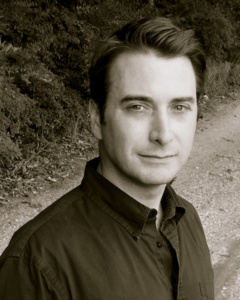
Hear the story of the 19th century “spirit photographer,” William Mumler, against whom no lesser “humbug” than P.T. Barnum himself testified, in this lunchtime talk by Peter Manseau, Smithsonian Curator of Religion and author of The Apparitionists. Peter Manseau is a historian, novelist, and the Lilly Endowment Curator of American Religious History at the Smithsonian Institution’s National Museum of American History. He is the author of eight books and contributes regularly to publications including the Washington Post and the New York Times. His most recent book, The Apparitionists, was named one of NPR’s Best Books of the Year and Publishers Weekly’s Top Ten Books of 2017. Find out more and RSVP to reserve your free place at the April 13th talk!
Previous Talks
February 16, 2018: “Learning Happened Here:” Race and Education in Baltimore from the Colored School to Frederick Douglass High School
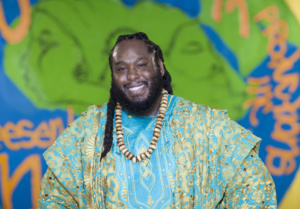
In reconstruction-era Baltimore, the Colored School system was founded to provide public education for African Americans in the City. The historic Peale Museum building, also Baltimore’s first City Hall, housed Male and Female Colored School Number One. In 1882, a two-year secondary school program was added to the curriculum, making Colored School Number One the first public high school for African Americans in the state. The school quickly outgrew the Peale’s premises, and was moved first to a larger building on East Saratoga Street, and eventually to a new site at Calhoun and Baker Streets, where it was renamed the Frederick Douglass High School.
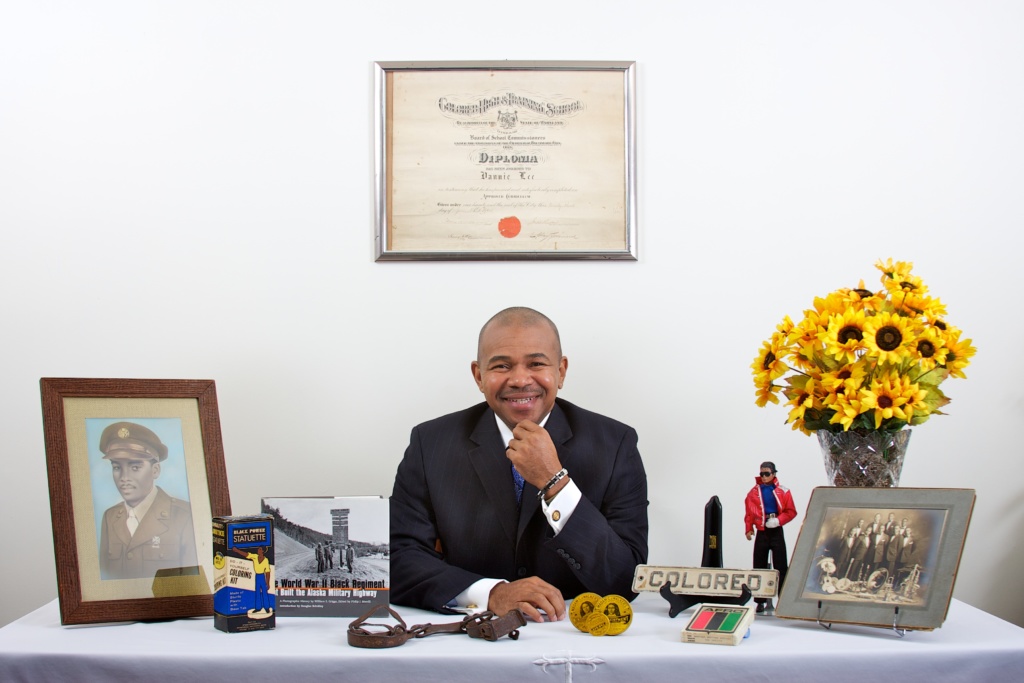
March 16, 2018: Off Set: Women Behind the Scenes of Frederick Douglass’ Life and Legacy
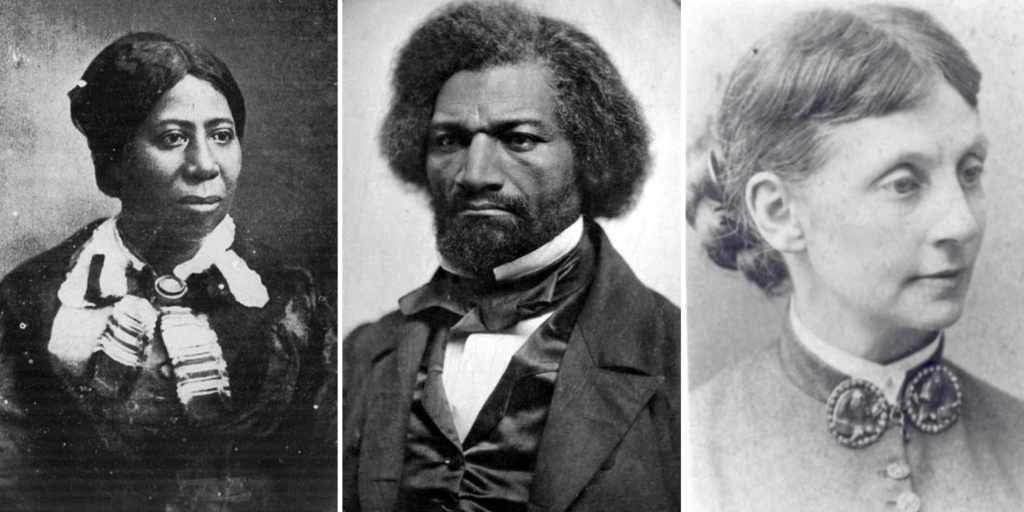
Brittany Hall is a scholar of African American history and park ranger at the Frederick Douglass National Historic Site. She studies the history of 19th century visual culture, with a special interest in the the preservation of Frederick Douglass’ final home as a historic house museum. Ms. Hall’s talk will emphasize the important role of women in shaping Frederick Douglass’ public image, before and after his death. Women were a crucial part of Frederick Douglass’ development as an equal rights activist and preserving his memory for generations to come. RSVP to reserve your free place at the March 16th talk!