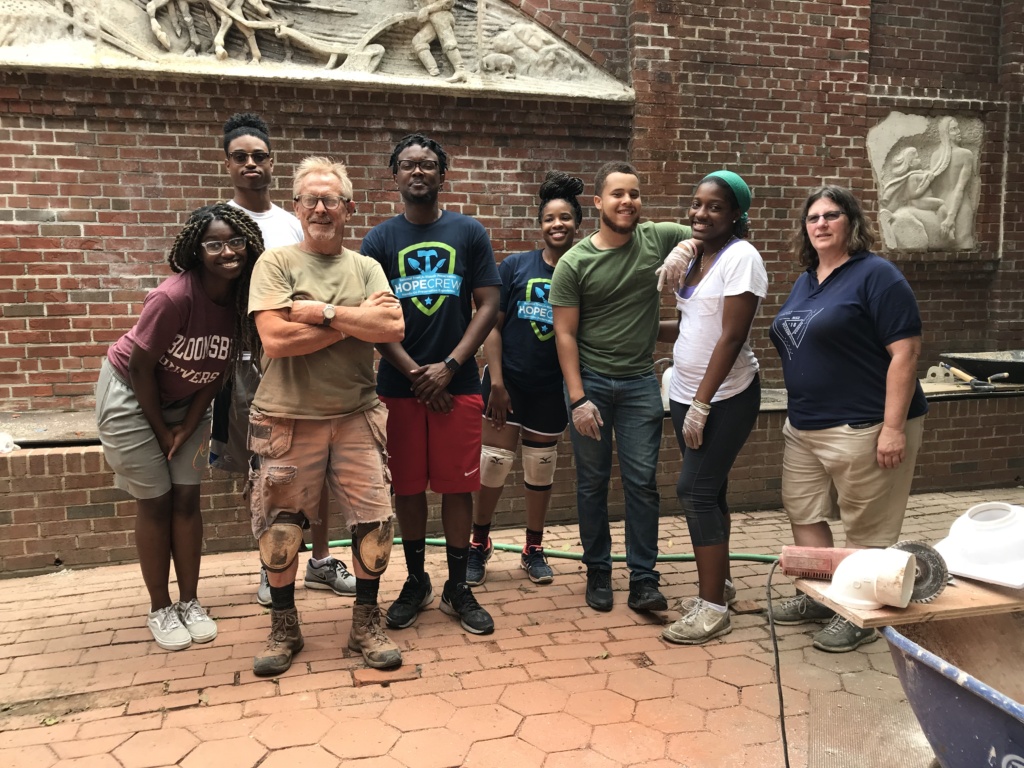
It’s time for spring cleaning at the Peale! If you have a little extra time and don’t mind getting your hands dirty, we could use your help!
Garden maintenance volunteers: We need volunteers to weed and water the garden throughout the summer. Enjoy the peace and quiet of the garden and some passing butterflies while you work!
Spring cleaning: We need people to help us with a spring cleaning in the house and to help organize our storage area!
Rembrandt Peale’s 1816 “Ring of Fire” reinterpreted for the 21st century by light artist Sean Michael Kenny at the Peale Center for Baltimore History and Architecture
Ceremonial lighting Wednesday, April 24, 2019, 5:30-8:30 p.m.
Kenny’s “Ring of Fire” will be inaugurated at a special open house
Demonstrations of Rembrandt Peale’s Magic Ring of Fire, invented in 1816
ILLUMINATED Exhibition on the history and safety of gas & light in Baltimore and beyond…
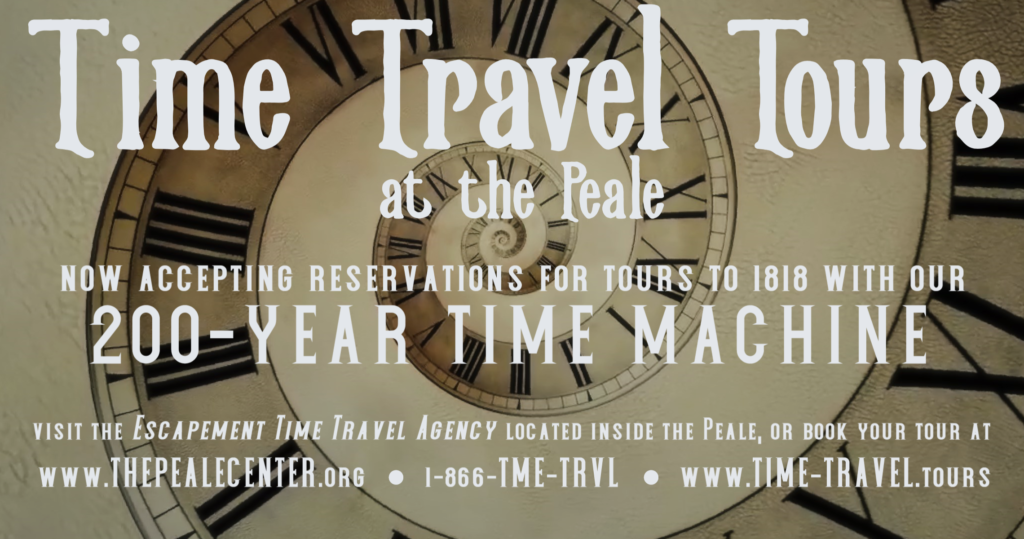
Time Travel Tours to Rembrandt Peale’s study in 1819
Performances & Presentations from local artists and experts
‘historically hysterical’ exhibition by Maryland Institute College of Art’s (MICA) Exhibition Development Seminar (EDS)
Light artist Sean Michael Kenny (SMKLight) is collaborating with the Peale Center for Baltimore History and Architecture to help people “see Baltimore in a new light” by illuminating Baltimore’s 19th origins as “Light City” and bringing greater visibility to the city’s diverse cultural stories and voices today. Kenny’s latest work for the front porch of the historic Peale Museum building on Holliday Street in downtown Baltimore reimagines the “Magic Ring of Fire” gaslights that Rembrandt Peale first demonstrated in his museum in 1816. The new technology so enthralled audiences of the day that Peale and his partners won the contract to supply gas streetlights throughout the city of Baltimore, making it the first city in America to be lit by gas and earning it the nickname, “Light City.” The Baltimore Gas Light Company that Peale founded is now known as Baltimore Gas and Electric (BGE), an Exelon company and, at 202 years old, one of the oldest continually-operating companies in the world.
Inspired by Peale’s gaslight innovations, the “Ring of Fire” artwork by Sean Michael Kenny aims to capture the curiosity and wonder that was first experienced by viewers marveling at the original chandeliers that illuminated the Peale Museum more than 200 years ago. Using contemporary green and bird-friendly LED technology, Kenny’s modern chandelier also plays authentic Baltimore stories from the Peale Center’s Be Here: Baltimore program, turning the historic museum into a “talking building” that helps new narratives of the city be heard. Kenny’s interpretation of “Ring of Fire” begins with a metal rim, illuminated by individual LED lights flanking both the inside and outside to echo the openings in the original hoop where Peale’s “pearls” of gas light burned. Finally, the work features a speaker that plays stories of the city told by the people who know it best, as well as stories from the history of the Peale and its many innovations as the first purpose-built museum in the U.S., as the birthplace of BGE, as Baltimore’s first City Hall, and as the first public school to offer a secondary school education to African Americans in the state of Maryland.
About Sean Michael Kenny
As a light artist, Sean Michael Kenny utilizes various optics to create multi-dimensional work which is described as “The Modality,” referring to a particular mode in which something is expressed or experienced. This expression creates a new universe as light dances throughout the space, seemingly out of nowhere, extracting what is unseen and making it visible. Kenny’s work was featured in Light City’s 2018 Neighborhood Lights for the Bromo Arts District at the iconic Bromo Seltzer Tower. He will also display his “Trinity – Light Chimes” project at Burning Man 2019 at the Whiskey and Dust camp. Learn more at http://www.smklight.com/
About the Peale Center for Baltimore History and Architecture
In 1816, Rembrandt Peale began illuminating his Baltimore museum’s galleries with gaslight chandeliers. Up to 100 “gems of light” burned in a metal circle suspended overhead and fueled by gas made from burning pitch. The new technology both enabled Peale to keep his doors open at night, attracting more visitors and revenue after dark, and also served as an attraction itself. People had never seen such bright interior lights before. Those who could not afford the price of admission gathered outside to gawk at the brilliance of the light spilling out of the windows. Excitement about Peale’s “Magic Ring of Fire” led to his founding the Baltimore Gas Company, which by 1817 had begun installing gas street lights throughout the city. Thanks to Peale’s pioneering efforts, Baltimore was the first city in the U.S., and among the first in the world, to be lit by gas, earning it the nickname, “Light City.” The company Peale founded is now known as BGE, one of the oldest continuously-operating companies in the world.
Currently renovating the historic Peale museum building, the mission of the Peale Center for Baltimore History and Architecture is to help people see Baltimore in a new light by working with the city’s culture keepers and storytellers to create a more inclusive cultural record of the city. To date, more than 1400 authentic stories of the city have been recorded and shared on a range of free and open platforms, including the “Be Here Stories” app and live storytelling programs at the Peale Center and other partner sites around the city. With these efforts, the Peale aims to help change the narrative about Baltimore and enable it to become known and appreciated worldwide for its rich history and the full range of its diverse people and places today.
“No Walls, No Bans, No Borders” is a benefit photography and art exhibit featuring the work of Baltimore-based activists connecting ideas of the violence of capitalism, colonialism, and the racist/fascist state both locally here in Baltimore and globally. A portion of artist’s sales will go back to the groups doing the work on the ground.
This is a call to activists for their photo and video documentation of movements they are a part of, along with art made made in response to those issues and movements. Submit your entries online at: https://www.rebellensbmore.org/entries. Artists may submit up to three available artworks for inclusion in the exhibition.
The theme focuses on the work being done to dismantle walls/bans/borders of oppression, whether through physical state walls, walls of a prison, walls of stigma, or institutional walls. The goal is to tell the story through the eyes of those on the ground doing the work.
The event is being curated by Rebel Lens Bmore – a group of on-the-ground activists using photo and video to document social movements in Baltimore – in collaboration with a number of other great artists in Baltimore.
For more information about Rebel Lens, or to submit works for the Benefit Exhibition, please visit rebellensbmore.org.
Questions? Contact us at rebellensbmore@gmail.com.
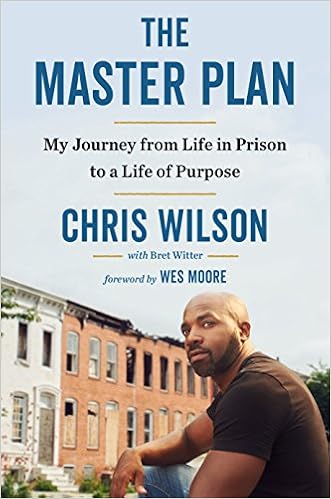
The perfect companions for the current exhibition at the Peale, “Devin Allen: Spaces of the Un-Entitled,” get your copies of Devin Allen and Chris Wilson’s books here!
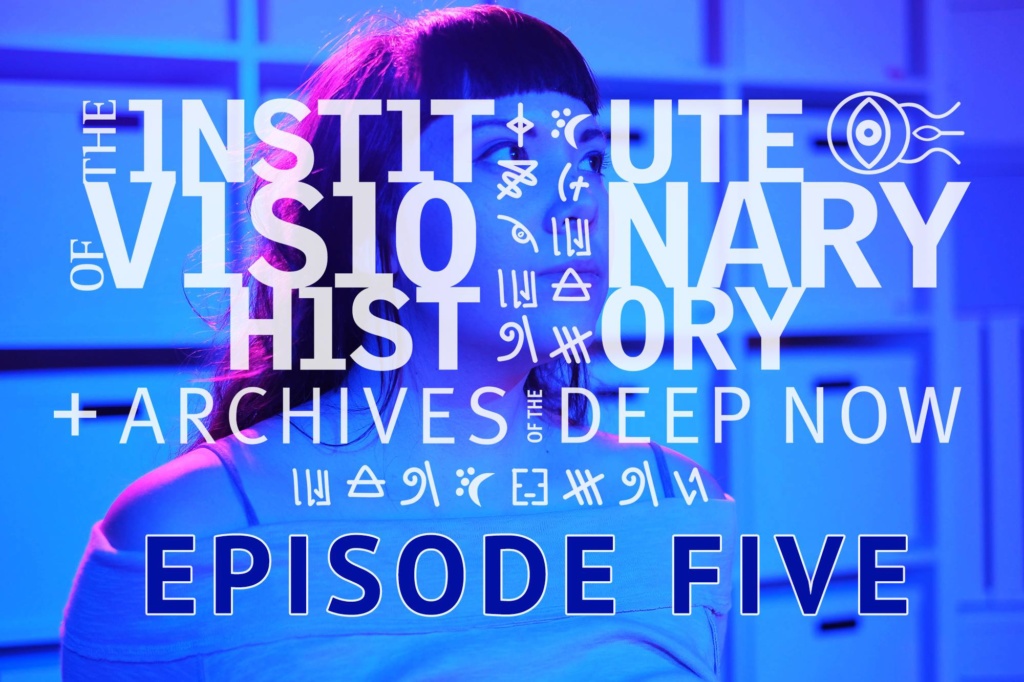
Discovered in the basement beneath The Peale Center, the Archives of the Deep Now are the records of a centuries-old secret society calling themselves The Institute of Visionary History. The Institute believed the building to be a kind of “thin place” where one can more easily transcend our present reality and contact other planes, places, and times. Their experiments combined scientific inquiry and visionary sight to uncover histories heretofore untold.
Episode Five: This experiment was originally conducted in 1836, but was so disastrous the results were suppressed for almost 200 years…until an anonymous informant gave us new information in an effort to answer the question: “How can one escape a curse?” (Actualized by Elizabeth Ung.)
Episode Six: Two obscure aristocrats are fated to dine together indefinitely over the course of an evening that will not cease. Cursed with abundance, they chew away the hours, their food and drink complemented with the bitter fruits of their recollections; spiced with regret and desire, mellowed with well-worn stories. Any attempt to exhaust the inexhaustible is doomed to fail. But like a finely cured meat there is pleasure to be had in consuming the decay and even more in sharing it with whom you may. Extended by popular demand to Dec 8 only!
to our $50,000 goal, thanks to the generosity of our participants and supporters. With your help, we will be able to add a secondary exit and staircase to the Peale’s Picture Gallery: the room that makes the building architecturally unique and serves as our main events space, hosting ground-breaking theater, dance, music, film, talks, storytelling, and exhibitions.
You are not alone in asking, as this is a unique new way to experience history!
Part puzzle, part exhibit, part performance, total immersion!
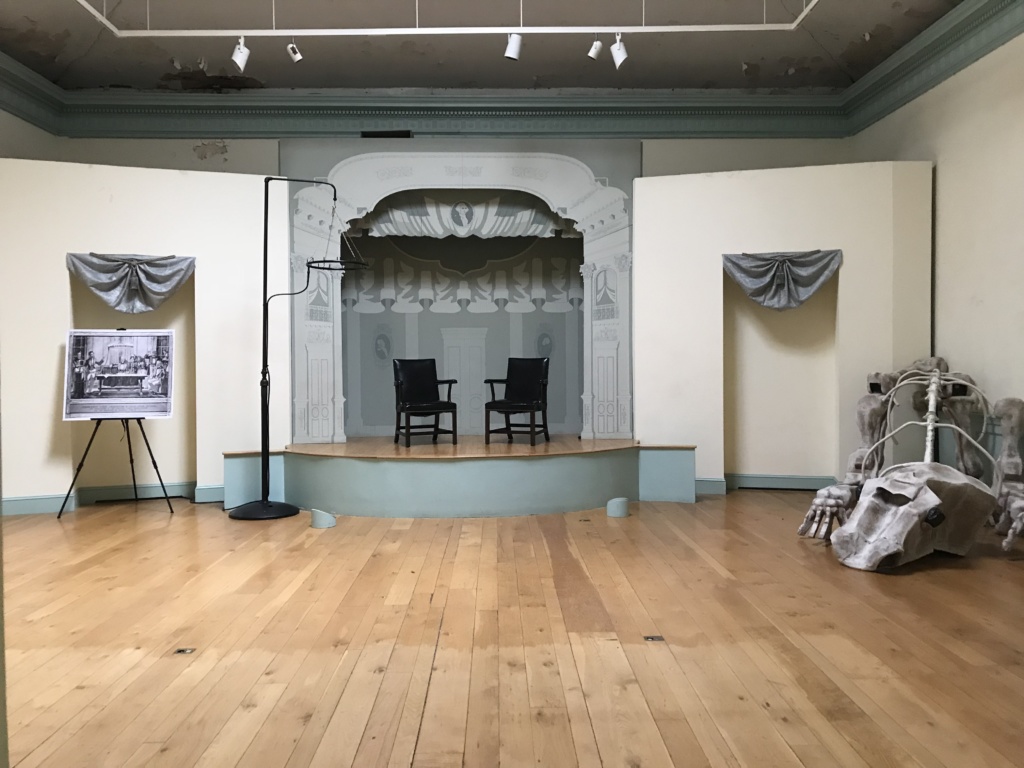
The Time Travel Tours experience is an interactive exhibit that engages with the history of the Peale and its founder in 1818, and connects certain aspects of that time to ours and to the future.
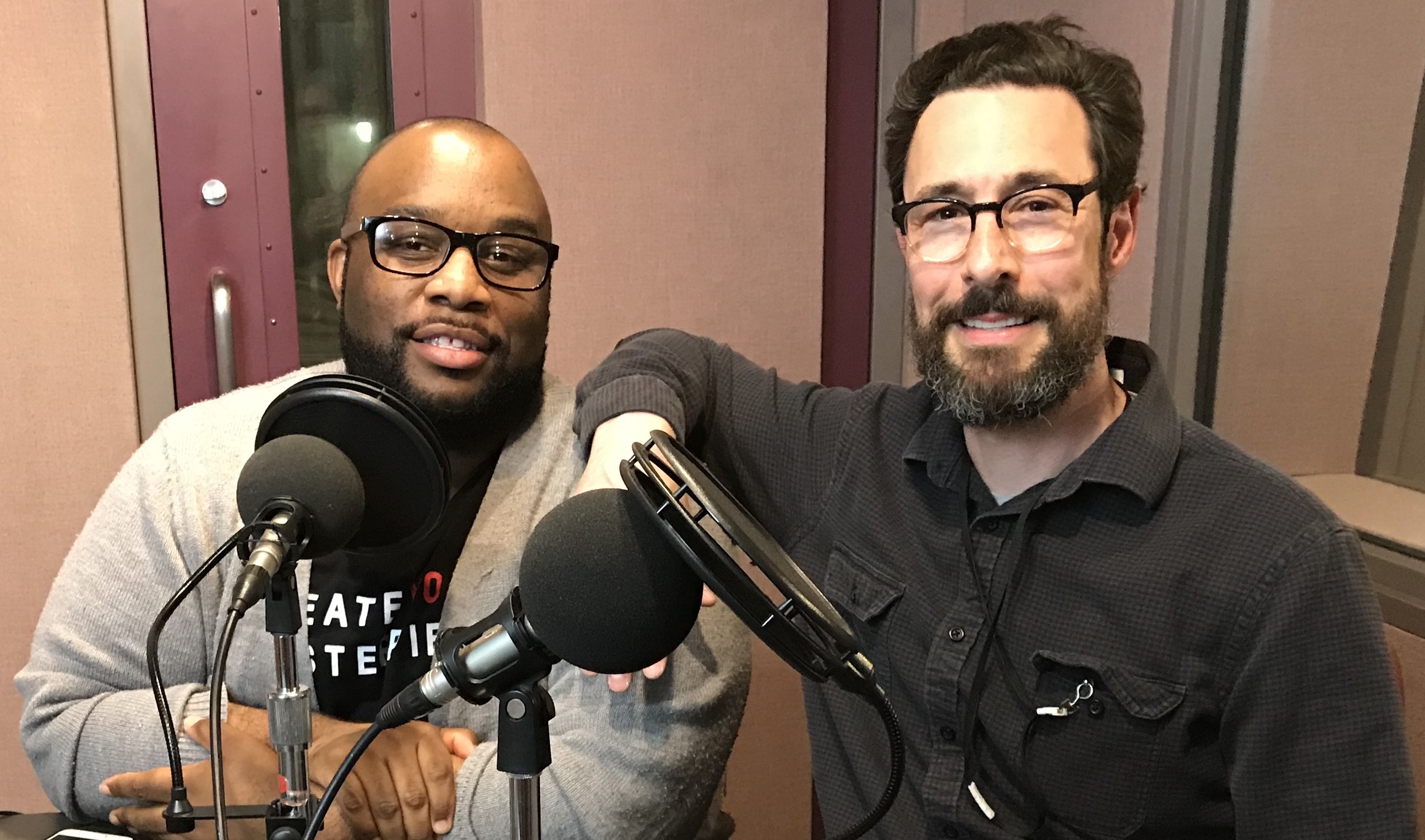
Nate Couse of The Artist Exchange Radio Show and Aaron Henkin, producer of WYPR’s Out of the Blocks
Support the Peale and celebrate the close of our Fall capital campaign initiative with a special evening of authentic Baltimore stories hosted by WYPR’s Aaron Henkin, producer of the award-winning Out of the Blocks series, and Nate Couser of The Artist Exchange Radio Show.
Tickets $50 to benefit the Peale’s Fall 2018 Campaign: Your purchase helps us make the Peale safer and more accessible for all!
Free parking is graciously provided by Zion Church. Drinks and light refreshments from Ida B’s Table will be on offer at the Peale, and you can enjoy a complimentary Peale cocktail when you dine at Ida B’s before the show!
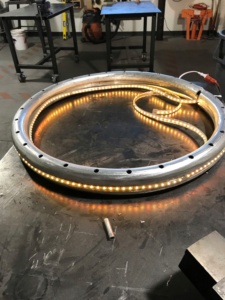
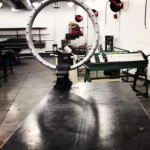 Inspired by Peale’s gaslight innovations, the “Ring of Fire” artwork by Sean Michael Kenny aims to capture the curiosity and wonder that was first experienced by viewers marveling at the original chandeliers that illuminated the Peale Museum more than 200 years ago. Using contemporary green and bird-friendly LED technology, Kenny’s modern chandelier also plays authentic Baltimore stories from the Peale Center’s Be Here: Baltimore program, turning the historic museum into a “talking building” that helps new narratives of the city be heard. Kenny’s interpretation of “Ring of Fire” begins with a metal rim, illuminated by individual LED lights flanking both the inside and outside to echo the openings in the original hoop where Peale’s “pearls” of gas light burned. Finally, the work features a speaker that plays stories of the city told by the people who know it best, as well as stories from the history of the Peale and its many innovations as the first purpose-built museum in the U.S., as the birthplace of BGE, as Baltimore’s first City Hall, and as the first public school to offer a secondary school education to African Americans in the state of Maryland.
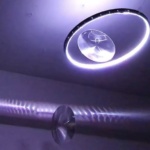 As a light artist, Sean Michael Kenny utilizes various optics to create multi-dimensional work which is described as “The Modality,” referring to a particular mode in which something is expressed or experienced. This expression creates a new universe as light dances throughout the space, seemingly out of nowhere, extracting what is unseen and making it visible. Kenny’s work was featured in Light City’s 2018 Neighborhood Lights for the Bromo Arts District at the iconic Bromo Seltzer Tower. He will also display his “Trinity – Light Chimes” project at Burning Man 2019 at the Whiskey and Dust camp. Learn more at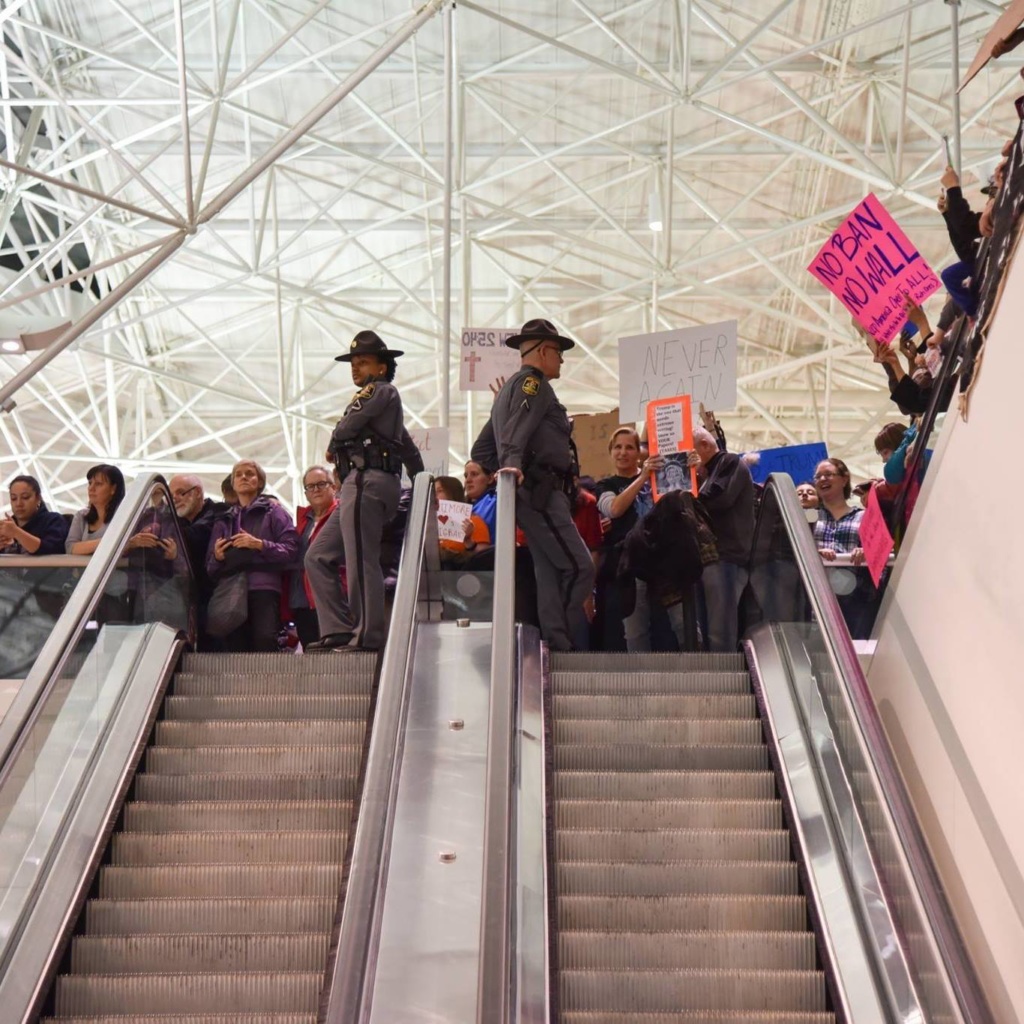

 Episode 5: